
Why Turf Looks Simple But Isn’t
You see a roll of turf, and it makes sense: put it on dirt, water it, done. That logic kills lawns every single weekend across Australia.
The problem is not the turf. It is everything that happens before the turf touches the ground, and the three to six weeks after it does. Most guides skip both.
This article covers the specific things installers, landscapers, and turf suppliers either assume you know or don’t bother to explain. Work through them before you buy a single roll.
The Ground Does the Heavy Lifting
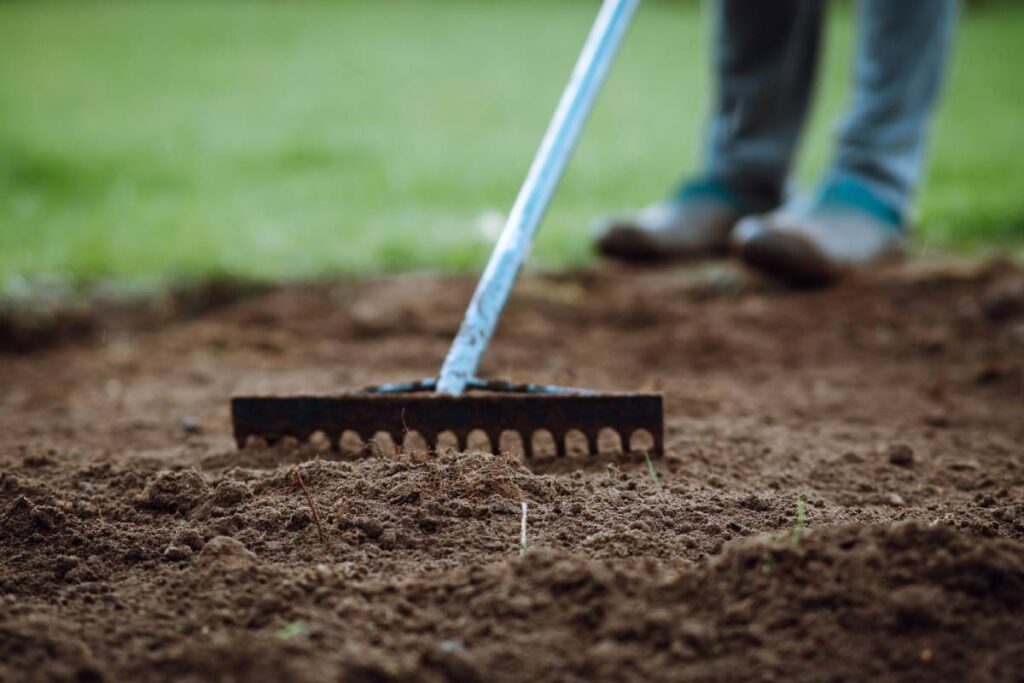
Every turf failure starts underground. The turf roll itself is rarely the problem.
Topsoil depth matters
Turf roots need at least 100mm of quality topsoil to establish properly. Shallow or compacted ground forces roots to stay near the surface, where they are vulnerable to heat and drought. If your existing soil is clay-heavy, sandy, or compacted, the turf will struggle regardless of how much you water it.
pH is non-negotiable
Most turf varieties perform best at a soil pH between 6.0 and 7.0. Soil outside this range blocks nutrient absorption even when you fertilise correctly. A basic pH test kit costs under $20 at most garden centres and takes five minutes. Skip this step, and you will spend months wondering why the lawn looks pale.
Levels kill drainage
Low spots collect water. Standing water causes root rot within days. Rake the area flat and check for dips before you lay anything. A straight edge or long spirit level works fine. Get this wrong, and no amount of aftercare will save the affected patches.
Timing Your Lay: Season, Temperature, and Soil Moisture

Spring and autumn are the right windows
Soil temperatures between 15°C and 25°C give roots the best chance to establish before stress hits. Summer laying is not impossible, but the water demand triples, establishment is slower, and the margin for error shrinks significantly.
Do not lay turf into dry, bone-hard soil
Water the prepared ground the day before installation. The soil surface should be moist but not waterlogged when the rolls go down. Dry soil pulls moisture out of the turf too fast before roots have any grip.
Laying on a forecast 38°C day is a gamble you will likely lose
Even with immediate watering, turf laid in extreme heat can dry out at the edges within hours. Plan your installation around the three-day weather forecast, not just the day itself.
The Establishment Period Nobody Warns You About
This is the section most sellers do not emphasise, because it changes what you can do with your garden for several weeks.
Establishment takes four to six weeks minimum
During this time, the turf is not your lawn yet. It is a vulnerable mat of grass with no root anchor in the ground beneath it. Treat it like one and protect it accordingly.
No foot traffic
Walking across new turf before roots establish compresses the soil and tears the shallow root connections. Even light foot traffic in the first two weeks causes patchiness that shows up four weeks later, not immediately. If you have children or pets, plan for this now.
No mowing in the first two to three weeks
Mowing too early pulls the turf off the ground instead of cutting the grass. Wait until you can tug the edge of a roll and feel resistance. That resistance means roots are working.
According to Lawn Solutions Australia, poor aftercare in the first six weeks is the leading cause of turf failure in residential installations, not defective product or poor turf quality.
Watering: More Is Not Better
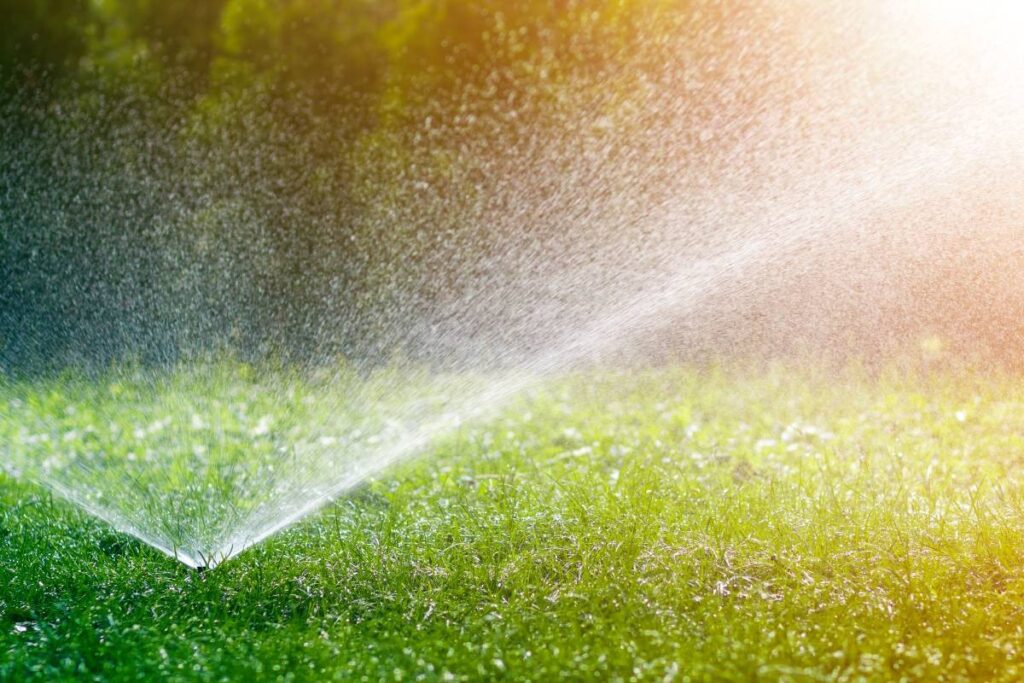
The instinct to flood new turf is understandable. Resist it.
For the first two weeks
water twice daily, morning and late afternoon. The goal is to keep the root zone moist, not saturated. Saturated soil cuts off oxygen and invites fungal problems. Each watering session should last long enough to wet the soil 50 to 75mm deep beneath the turf.
Weeks three to four
Pull back to once daily, early morning only. This encourages roots to reach deeper into the soil in search of moisture, which is exactly what you want for long-term resilience.
After establishment
transition to a deep, infrequent watering schedule. Two to three times per week, watering deeply, produces a far stronger root system than light daily watering. Light daily watering trains roots to stay shallow.
The finger test beats every timer
Push your finger 25mm into the soil. If it comes out dry, water. If it comes out muddy, stop.
Fertilising After Laying: The Two-Week Rule
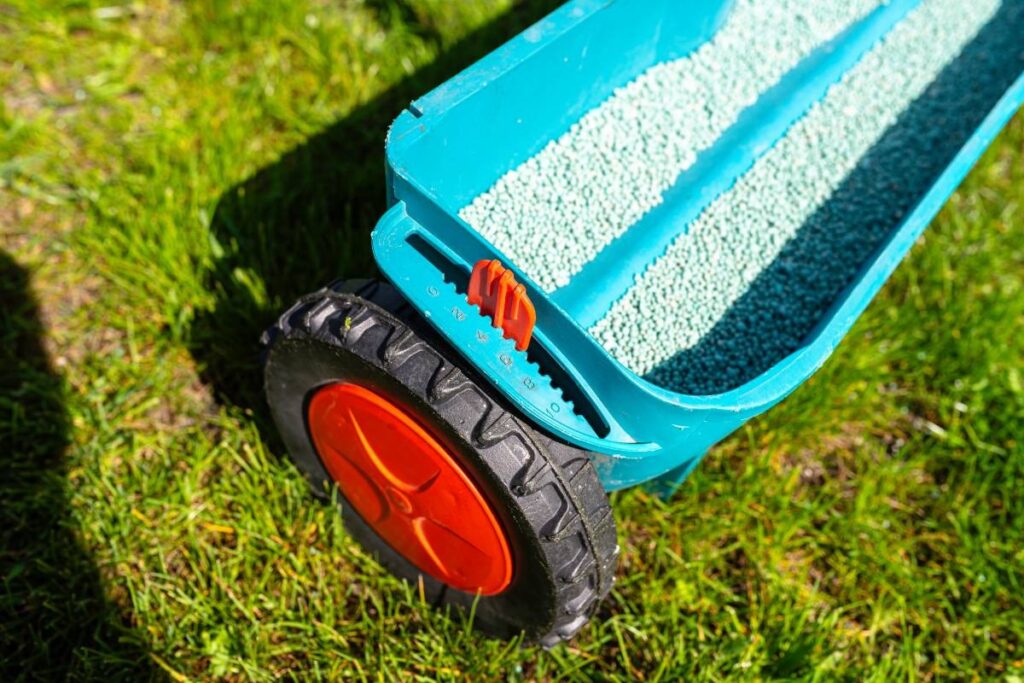
Do not fertilise immediately after laying.
Fertiliser applied to turf with no root anchor burns the grass and stresses an already vulnerable plant. Wait at least two weeks; some suppliers recommend four.
Use a starter fertiliser, not a standard lawn fertiliser.
Starter fertilisers are higher in phosphorus, which supports root development. Standard lawn fertilisers are high in nitrogen and push leaf growth, which is the last thing you want when the priority is root establishment.
Six to eight weeks after laying.
Switch to a balanced slow-release fertiliser suited to your turf variety. This is when standard maintenance begins.
Common Turf Mistakes vs. What to Do Instead
| Mistake | Why It Causes Failure | What to Do Instead |
| Skipping soil pH testing | Blocks nutrient uptake even with regular feeding | Test before laying, amend to pH 6.0-7.0 |
| Laying on dry, compacted ground | Prevents root penetration | Cultivate to 100mm depth, water day before |
| Leaving gaps between rolls | Creates dry seams that brown out fast | Butt rolls tightly, no stretching |
| Watering too much in week one | Root rot, fungal disease | Moist, not saturated, twice daily |
| Mowing too early | Pulls turf off ground | Wait until rolls resist a firm tug |
| Foot traffic during establishment | Compacts soil, breaks root connections | Restrict access for 4-6 weeks |
| Fertilising immediately after laying | Burns grass, adds stress | Wait minimum 2 weeks, use starter fertiliser |
| Laying in peak summer without irrigation plan | Rapid desiccation at edges | Lay in spring/autumn or have full irrigation ready |
If you are in Sydney, Direct Turf in Sydney supplies locally grown rolls and advises on variety selection based on your suburb’s soil and sun conditions. Buying locally grown turf shortens the time between harvest and installation, which directly improves establishment success.
Conclusion
Choosing turf over grass seed or artificial alternatives follows the same cost-versus-durability logic as any other long-term surface investment in your home: the upfront effort determines how much ongoing maintenance you carry for the next decade.
- Soil preparation is where most turf jobs succeed or fail, before a single roll is placed.
- The establishment period is not optional care advice. Ignoring it undoes everything you spent money on.
- Watering correctly means watering strategically, not generously.
Discussion question: If you have laid turf before and it failed, which of these steps did you skip or were never told about? Drop it in the comments below.


