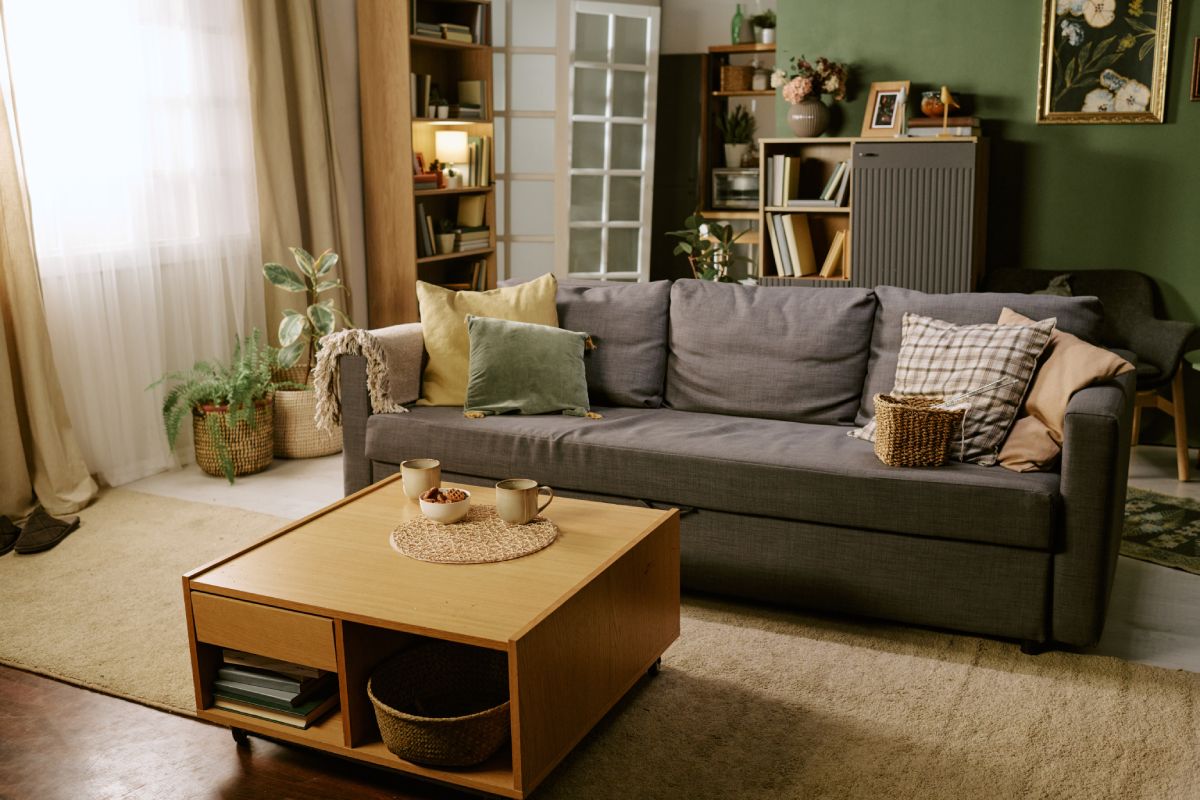
A small living room does not have to feel cramped or lack personality. With a smart layout, layered lighting and a few well-chosen pieces, even a compact space can feel open, comfortable and stylish. The key is making every element work together without overcrowding the room.
Whether you are renovating, decorating a new home or simply rearranging your existing furniture, there are plenty of ways to make a small living room feel more spacious. From choosing the right colour palette to incorporating multi-purpose furniture, these practical ideas can help you create a room that looks good and works for everyday living.
Start with the Layout
The layout is one of the most important factors when designing a small living room. Even beautiful furniture can make a space feel crowded if it is arranged poorly. Before purchasing anything new, consider how you use the room and how people move through it.
- Define the main purpose. Decide whether the room is mainly for relaxing, entertaining guests, watching television or working. This will help determine which furniture is essential and where it should go.
- Float furniture carefully. Placing a sofa slightly away from the wall can create a more balanced arrangement and improve movement around the room. However, make sure there is still enough space for clear walkways.
- Choose fewer, better pieces. One appropriately sized sofa is often more practical than several small chairs and tables that compete for space. Focus on furniture that provides comfort without overwhelming the room.
- Leave breathing space. Avoid filling every corner with furniture or decorations. Keeping some visible floor area and maintaining clear sightlines can make the room feel noticeably larger.
It is also worth considering the position of doors, windows and electrical outlets before finalising your layout. Avoid placing large furniture where it interrupts natural pathways or blocks access to important features. A well-planned arrangement should feel effortless to move through.
Use Colour and Texture to Open Up the Space
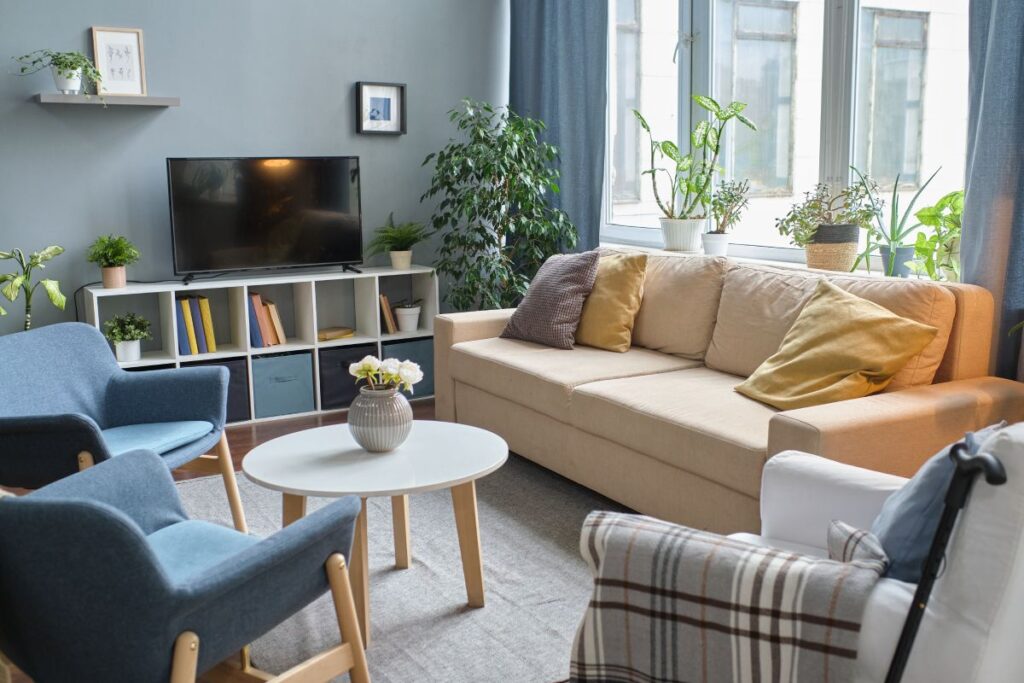
Colour has a significant influence on how large or small a room feels. Light, soft shades reflect more natural light, helping walls appear further apart and creating a brighter atmosphere.
White, cream, beige and pale grey are popular choices for compact living rooms. However, you do not need to make everything white to achieve an open look. Warm neutrals, soft greens and muted blues can also create a relaxing environment while adding personality.
Consider using a consistent colour palette across walls, furniture and accessories. Too many contrasting colours can make a small room feel visually busy. Instead, introduce subtle variations through cushions, rugs, curtains and decorative objects.
Texture is equally important. Materials such as linen, timber, wool and natural stone add depth without relying on bold patterns or heavy colours. For example, a neutral sofa can look more inviting with textured cushions and a soft throw.
Many of the strongest ideas in the 2026 interior design trends, including tactile materials and natural elements, work particularly well in smaller rooms when used with restraint. The goal is to create visual interest while maintaining a sense of simplicity.
Layer Your Lighting
Good lighting can completely change the atmosphere of a small living room. Relying on a single ceiling light often creates harsh shadows and makes the space feel flat. A layered lighting approach provides flexibility while making the room feel warmer and more inviting.
Consider combining three types of lighting:
- Ambient lighting: Ceiling fittings, recessed lights or wall lights provide general illumination throughout the room.
- Task lighting: Reading lamps, adjustable floor lamps or desk lights provide focused light for specific activities.
- Accent lighting: Table lamps, decorative lighting and LED strips highlight artwork, shelves or architectural details while adding atmosphere.
Where possible, make the most of natural daylight. Keep windows unobstructed and choose light curtains or blinds that allow sunlight to enter the room.
Warm white bulbs are generally a good choice for creating a comfortable evening environment. Installing dimmer switches also allows you to adjust brightness depending on the time of day and activity. For example, brighter lighting may be useful when reading or entertaining, while softer lighting creates a more relaxed setting for watching television.
Choose Multi-Purpose Furniture
In a small living room, furniture should ideally do more than one job. Multi-purpose pieces help reduce clutter while providing practical storage and flexibility.
A storage ottoman, for example, can serve as a footrest, additional seating and a place to keep blankets or magazines. Nesting coffee tables can be separated when guests visit and stacked together when extra floor space is needed.
Other useful options include:
- Wall-mounted shelves that provide storage without taking up floor space.
- Console tables that can double as compact workstations.
- Sofa beds that provide additional sleeping space for overnight guests.
- Coffee tables with hidden compartments for everyday essentials.
- Extendable or foldable furniture that can be stored when not in use.
Pay attention to furniture proportions as well. Oversized pieces can dominate a small room, while furniture with slim frames and raised legs allows more of the floor to remain visible. This creates a lighter appearance and helps the room feel less crowded.
Before buying anything, measure the available space and consider how much room you need to move around each piece. A practical furniture arrangement is more valuable than fitting in as many items as possible.
Make Mirrors and Windows Work Harder
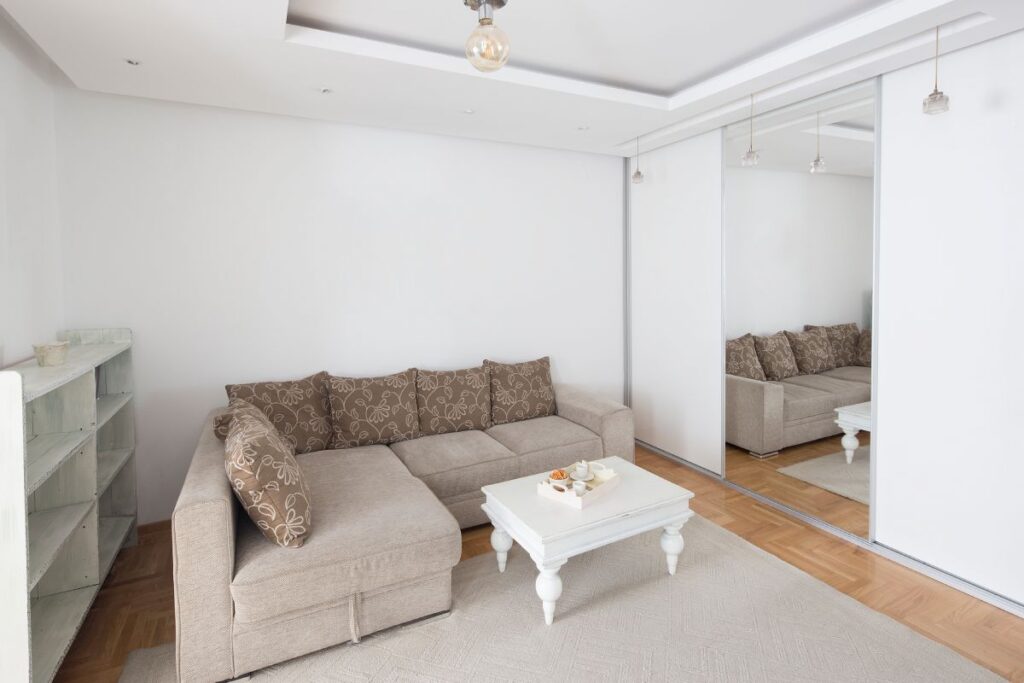
Mirrors are a simple but effective way to make a small living room appear larger. They reflect natural and artificial light, creating a sense of depth that can make the room feel brighter and more open.
For the best effect, place a large mirror opposite or near a window so it can reflect daylight throughout the space. Mirrors can also be positioned behind a console table or above a sofa to create an attractive focal point.
Window treatments deserve similar attention. Heavy curtains and dark blinds can make a compact room feel enclosed, particularly when they block natural light. Lightweight curtains in neutral colours are often a better choice.
Another useful design trick is to hang curtains close to the ceiling rather than directly above the window frame. This draws the eye upwards and creates the impression of taller walls. Extending the curtain rod slightly beyond the window frame can also make the window appear wider.
If privacy is a concern, consider sheer curtains combined with practical blinds. This allows you to control light and privacy without making the room feel too enclosed.
Fit Audio Without the Clutter
Sound is often the forgotten part of a small living room, and large speakers or complicated entertainment systems can easily dominate the space. However, modern audio equipment offers plenty of options for homeowners who want good sound without compromising their interior design.
Compact speakers, minimalist soundbars and wireless audio systems can provide excellent functionality while keeping surfaces clear. Some designs are attractive enough to become decorative features rather than equipment that needs to be hidden away.
Our guide to stylish speakers as home decor explores how to choose audio equipment that complements your interior, from compact designs to speakers that double as statement pieces.
When planning your entertainment area, consider speaker placement carefully. Position equipment where sound can travel freely without obstructing walkways or taking up valuable seating space. Wall-mounted options may be useful where floor space is limited.
Wireless connections can also help reduce visible cables. If wired equipment is necessary, use cable organisers or discreet cable covers to keep everything tidy. A clean entertainment area makes the entire living room feel more organised.
Declutter and Style with Intention
One of the easiest ways to make a small living room feel bigger is to reduce unnecessary clutter. Too many decorative objects, scattered accessories and everyday items can make even a well-designed room feel messy.
Start by removing anything you no longer use. Then organise the remaining items so that frequently used belongings are easy to access but not constantly on display.
A few simple styling principles can make a significant difference:
- Use closed storage: Cabinets, storage baskets and drawers help keep everyday items out of sight.
- Group decorative objects: Arrange accessories in groups of three or five rather than spreading small items across every surface.
- Choose statement pieces: One striking artwork, an interesting floor lamp or a textured rug can create character without overcrowding the room.
- Add greenery: Small indoor plants bring freshness and natural colour. Hanging planters or wall-mounted plant holders are useful when floor space is limited.
- Keep surfaces practical: Leave enough room on coffee tables and side tables for everyday activities instead of filling them entirely with decorations.
It is also important to think about visual balance. If one side of the room has a large piece of furniture, balance it with lighter elements on the other side. This does not mean everything needs to match, but the overall arrangement should feel intentional.
The Bottom Line
A small living room works best when it is planned rather than crowded. Start by creating a practical layout, then use colour, lighting and multi-purpose furniture to make the most of the available space. Mirrors, well-chosen window treatments and carefully positioned audio equipment can further improve both the appearance and functionality of the room.
Most importantly, remember that a stylish living room does not need to be filled with expensive furniture or decorative accessories. Choosing the right pieces, keeping clutter under control and allowing enough breathing space can make even the smallest room feel comfortable, welcoming and thoughtfully designed.


