
If you own, live in, or are planning to renovate an older property in Australia, asbestos is something you simply cannot ignore. It’s one of those hidden dangers that can sit quietly in your home for decades—completely harmless if left undisturbed, but potentially dangerous when mishandled.
The challenge? Most homeowners don’t actually know how to identify asbestos, let alone deal with it properly.
In this guide, we’ll break it down clearly: how to tell if your house might contain asbestos, where it’s commonly found, and—most importantly—what to do next.
What Is Asbestos and Why Was It Used?
Asbestos is a naturally occurring mineral that was widely used in building materials due to its strength, insulation properties, and resistance to heat and fire.
In Australia, it was used extensively in construction materials from the 1940s through to the late 1980s. In fact, it appeared in over 3,000 different products, from roofing sheets to wall panels and even flooring adhesives.
Because of its durability and affordability, asbestos became a go-to material in residential construction—especially in fibro homes.
The First Clue: When Was Your Home Built?
The easiest starting point is your home’s age.
- Before mid-1980s: Highly likely to contain asbestos
- Mid-1980s to 1990: Still likely
- After 1990: Much less likely
These timelines are widely recognised across Australian safety authorities.
So if your home—or even just part of it—was built or renovated before 1990, you should assume asbestos may be present.
Where Asbestos Is Commonly Found in Homes
Asbestos wasn’t just used in one or two areas—it was used almost everywhere.
Common locations include:
Interior Areas
- Ceilings (especially in bathrooms and laundries)
- Internal wall sheeting
- Vinyl floor tiles and backing
- Pipe insulation
- Electrical switchboards
Exterior Areas
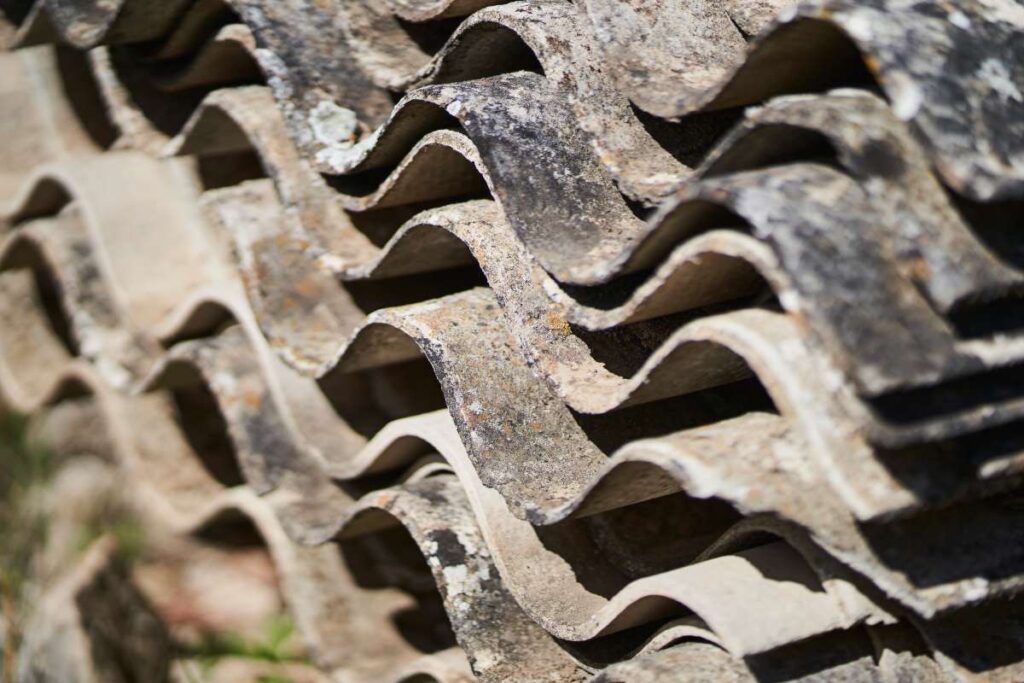
- Roofing (corrugated asbestos cement sheets)
- Eaves and soffits
- Fences and sheds
- External wall cladding
Homes built before 1990 often contain asbestos in both internal and external structures.
Can You Tell Just by Looking?
This is where many homeowners go wrong.
You cannot reliably identify asbestos by sight.
It doesn’t have a specific colour, smell, or texture that clearly gives it away. It can appear white, grey, brown, or even painted over—and it often looks identical to non-asbestos materials .
Even experienced professionals won’t rely on visual inspection alone.
The only way to confirm asbestos is through laboratory testing of a sample.
Warning Signs That Should Raise Suspicion
While you can’t confirm asbestos visually, there are some red flags that suggest its presence:
- Old fibro sheeting (especially pre-1990)
- Cement sheets with a dimpled or patterned surface
- Crumbling or brittle insulation
- Outdated vinyl flooring
- Corrugated roofing on older homes
If you’re unsure, follow the golden rule: If you think it might be asbestos—treat it like it is.
Is Asbestos Always Dangerous?
Not necessarily.
Asbestos becomes dangerous when its fibres are released into the air and inhaled. This typically happens when materials are:
- Cut
- Drilled
- Sanded
- Broken or deteriorating
If asbestos-containing materials are sealed and in good condition, they are generally considered low risk.
However, once disturbed, those microscopic fibres can become airborne and pose serious health risks—including lung disease and mesothelioma.
What To Do If You Suspect Asbestos
If you think your home contains asbestos, don’t panic—but don’t ignore it either.
Here’s the correct approach:
1. Stop Any Work Immediately
Renovating? Drilling? Demolishing?
Stop right away. Even minor DIY work can release harmful fibres.
2. Avoid Disturbing the Material
Do not:
- Cut or drill into it
- Attempt to remove it yourself
- Sweep or vacuum the area
Disturbing asbestos is what creates the real danger.
3. Get a Professional Assessment
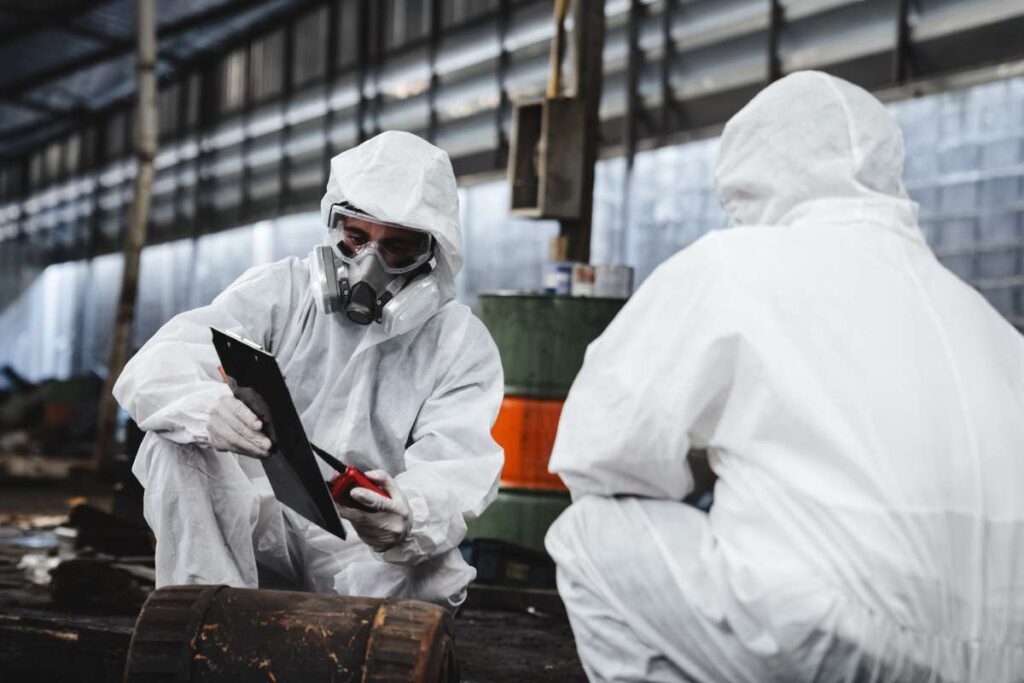
The safest and most reliable step is to hire a licensed asbestos assessor.
They can:
- Inspect your home
- Identify potential asbestos-containing materials
- Arrange safe sampling and testing
- Provide a clear action plan
Professional asbestos surveys are essential for accurate identification and risk management.
4. Arrange Safe Testing
If necessary, a sample will be taken and sent to an accredited laboratory.
This is the only definitive way to confirm whether asbestos is present.
Important: Sampling itself can be hazardous and should only be done by trained professionals.
5. Decide: Manage or Remove?
Once asbestos is confirmed, you have two main options:
Option A: Leave It in Place (Management)
If the material is:
- In good condition
- Not likely to be disturbed
It can often be safely left alone and monitored.
Option B: Professional Removal
If the material is:
- Damaged
- Friable (crumbly)
- In a renovation area
Then removal is usually required.
This must be done by licensed asbestos removalists, following strict safety regulations.
Why You Should Never Remove Asbestos Yourself
DIY asbestos removal is strongly discouraged—and in many cases, illegal depending on the amount and type.
Here’s why:
- You risk releasing airborne fibres
- Standard protective gear is often inadequate
- Improper disposal can lead to fines and environmental harm
- Exposure risks extend to your family and neighbours
Authorities strongly recommend using licensed professionals for both removal and disposal.
How Asbestos Is Safely Removed
Professional asbestos removal involves:
- Sealing off the work area
- Using specialised protective equipment
- Wetting materials to minimise dust
- Careful removal and containment
- Transporting waste to licensed disposal facilities
Asbestos waste cannot be disposed of in regular rubbish—it must go to approved facilities.
Planning Renovations? Check First
One of the most common ways people are exposed to asbestos is during home renovations.
Before you:
- Knock down a wall
- Replace flooring
- Upgrade a bathroom
Always check for asbestos first.
Even small jobs like drilling into a wall can release fibres if asbestos is present.
Buying or Selling a Home with Asbestos
If you’re buying:
- Ask whether asbestos has been identified or tested
- Factor inspection and removal costs into your budget
If you’re selling:
- Be transparent about known asbestos
- Consider getting a professional assessment beforehand
Knowing where asbestos is located can help protect both parties and avoid legal complications.
The Bottom Line
Asbestos is still present in many Australian homes—but it doesn’t have to be a disaster.
The key is awareness and proper handling.
Remember:
- You can’t identify asbestos just by looking
- Older homes are more likely to contain it
- It’s only dangerous when disturbed
- Professional assessment is essential
- Removal should always be handled by licensed experts
Need Expert Help?
If you’re dealing with an older property, planning renovations, or simply want peace of mind, it’s worth speaking with experienced professionals.
Heritage Restorations & Renovations in Sydney has extensive experience working with older homes and understands the complexities of identifying and managing hazardous materials like asbestos—while preserving the integrity of heritage properties.
Whether you’re restoring, renovating, or just investigating, getting the right advice early can save you time, money, and serious health risks.


