
- The Problem With Half-Managed Design Projects
- What End-to-End Interior Design Actually Means
- The 8 Core Phases Included in the Service
- End-to-End vs. Partial vs. DIY: A Clear Comparison
- Who Actually Needs This Service?
- What Does End-to-End Interior Design Cost?
- Red Flags to Watch for When Hiring
- Conclusion
- Frequently Asked Questions
The Problem With Half-Managed Design Projects
You have a vision for your home or office. You can picture exactly how you want it to feel. So you hire an interior designer, get a beautiful mood board, approve a concept, and feel genuinely excited.
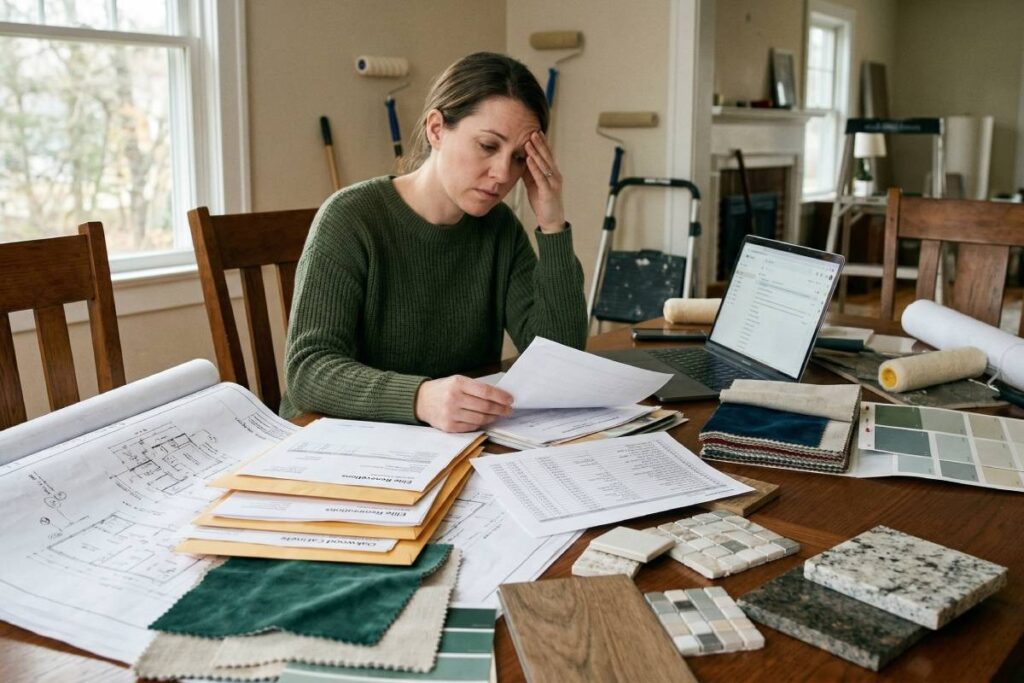
Then reality sets in. The contractor interprets the plans differently. The tiles you selected are out of stock. The furniture arrives three weeks late. Suddenly you are managing five different vendors, chasing quotes, and translating design language you never asked to learn.
This is the exact problem that end-to-end interior design is built to solve. It removes you from the operational chaos entirely and places a single team in charge of the whole journey — from the first pencil sketch to the last decorative cushion placed on your sofa.
What End-to-End Interior Design Actually Means
The term “end-to-end” originates in project management and supply chain thinking. It describes a process where a single provider owns and controls every step of a workflow, with no handoffs to unmanaged third parties.
When applied to interior design, it means one studio or designer takes full responsibility for your project from Day 1 to handover day. You are not hiring a designer for the concept and then figuring out procurement yourself. Every decision, every vendor, and every timeline is managed under one roof.
It is also commonly called full-service interior design or turnkey interior design, and the terms are largely interchangeable across the industry. Studios like Alix Helps Interiors in Sydney are a strong example of this model in practice, guiding clients through every phase from initial concept through to a fully styled, move-in-ready space.
The same structured thinking that underpins corporate interior design principles applies directly to residential projects. A well-defined brief, a clear spatial concept, and consistent material language are what separate a coherent result from a room that simply looks assembled.
Key Insight: The core value of end-to-end design is not just aesthetics. It is accountability. One team is responsible for the outcome, which means problems are solved faster and the result is far more cohesive than a piecemeal approach could ever be.
The 8 Core Phases Included in the Service
Not every firm labels its phases the same way, but a truly comprehensive end-to-end service will always cover the following stages. Each one is essential. Skipping any of them is where projects begin to unravel.
Phase 1: Discovery and Brief
An in-depth consultation to understand your lifestyle, functional needs, aesthetic preferences, budget, and timeline. This is where the project foundation is established before anything else moves forward.
Phase 2: Site Survey and Space Analysis
Physical measurement and assessment of the space, including structural limitations, natural light, existing architecture, and any building regulations that apply to the project.
Phase 3: Concept Development
Creation of a design concept, including mood boards, colour palettes, material directions, and spatial mood. This gives you a clear visual direction before any spending begins.
Phase 4: Space Planning and 3D Visualisation
Detailed floor plans and three-dimensional renders of the final space so you can experience the design before it is built. This single phase eliminates the majority of expensive mid-build change requests.
Phase 5: Material and Furniture Specification
Selection and sourcing of every finish, fixture, fitting, and furniture piece. The designer presents a full specification sheet and procurement schedule for your review and approval.
Phase 6: Contractor Coordination and Site Management
The designer manages all trades, including builders, electricians, plumbers, carpenters, and painters. They conduct regular site visits and quality checks throughout the entire build phase.
Phase 7: Procurement and Logistics
All furniture, materials, and accessories are ordered, tracked, and delivered on schedule. Storage is coordinated if items arrive before the site is ready. Nothing lands in the wrong place at the wrong time.
Phase 8: Installation, Styling, and Handover
Final installation of all furniture and fittings, followed by professional styling with art, plants, lighting, and accessories. The completed space is then handed to you, polished and lived-in-ready.
End-to-End vs. Partial vs. DIY: A Clear Comparison
Understanding the difference between service models will help you choose the right approach for your specific project, budget, and available time.
| Feature / Phase | End-to-End | Partial Service | DIY |
| Initial consultation | Included | Included | Self-directed |
| Concept and mood board | Included | Included | Self-created |
| 3D renders and floor plans | Included | Sometimes | Not typical |
| Contractor management | Fully managed | Client manages | Client manages |
| Furniture procurement | Fully handled | Optional add-on | Client sources |
| On-site quality control | Regular visits | Not included | Not included |
| Final styling and handover | Included | Not included | Not included |
| Time commitment from client | Very low | Moderate | Very high |
| Risk of design inconsistency | Very low | Medium | High |
The table above makes one thing clear. The more you try to manage on your own, the higher your risk of inconsistency, delays, and cost overruns. An end-to-end service reduces those variables significantly by centralising all responsibility in one place.
Who Actually Needs This Service?
End-to-end interior design is not exclusively for luxury residential projects. The right fit for a wider range of situations than most people initially assume.
It is the right choice when you:
- Are you renovating a new property while still living in your current home
- Are you managing a commercial fit-out with strict deadline requirements
- Have a large budget where mistakes carry serious financial consequences
- Live overseas or are not local to the project site
- Have been through a chaotic renovation before and will not go through it again
- Are developing a property for resale and need a polished, fast-turnaround result
It may be excessive when you:
- Are you refreshing a single room with minor cosmetic changes
- Already have a reliable contractor and only need design direction
- Have significant time, project management experience, and genuinely enjoy the process

What Does End-to-End Interior Design Cost?
Cost is the question most people have, but very few designers answer directly. The following ranges reflect current market rates for residential projects in major urban markets.
| Project Type | Typical Scope | Design Fee Range | Common Pricing Model |
| Single room (e.g. master bedroom) | 30–50 sqm | $3,000–$8,000 | Flat fee or hourly |
| Full apartment (2–3 bedrooms) | 80–150 sqm | $12,000–$35,000 | Flat fee or % of project |
| Large home (4+ bedrooms) | 200–500 sqm | $40,000–$120,000+ | % of total project cost |
| Commercial fit-out | Varies widely | $15,000–$80,000+ | Flat fee or per sqm rate |
Important distinction: The design fee is separate from the total project budget, which includes construction, materials, furniture, and fittings. A reputable designer will always present a total cost-of-project estimate at the brief stage so there are no surprises further down the line.
Pro Tip: Always ask for a clear scope-of-work document before signing anything. A trustworthy firm will itemise exactly what is included in their fee and what sits outside the engagement. If they cannot produce this document, treat it as a warning sign and keep looking.
Red Flags to Watch for When Hiring
This is the section that most content on this topic leaves out entirely. Knowing what a great end-to-end service looks like means nothing if you cannot recognise a poor one early.
No written scope of work. If a firm cannot clearly define what is included in writing, you have no protection when disputes arise during the project.
No site visits during construction. A designer who only appears at the start and the end is not managing the project. They are managing their relationship with you.
Vague answers about contractor relationships. Ask directly: Do they use in-house trades or independent contractors? How do they handle disputes on-site? Strong firms answer this confidently.
No 3D visualisation offered. In a market where render technology is standard, refusing to show you the space before the build phase indicates either a skills gap or a corner-cutting approach.
Pressure to sign quickly. A professional firm will always give you adequate time to review their proposal. High-pressure tactics are a reliable signal that the agreement may not work in your favour.
No portfolio of comparable projects. Ask to see completed work at a similar scale and budget to yours. Strong firms are proud of their portfolio and willing to provide direct client references without hesitation.
Conclusion
End-to-end interior design is not simply a premium service tier. It is a fundamentally different way of approaching a project — one where a single team takes full ownership of your outcome from the first conversation to the final flourish.
For anyone undertaking a significant renovation, a new build fit-out, or a space where getting it right truly matters, the value is not just in the design itself. It is in the peace of mind, the accountability, and the visual coherence that only comes from having one expert hand guiding the entire process.
The key things to remember:
- True end-to-end design covers all 8 phases from discovery to styled handover
- The design fee and total project budget are two separate figures — always clarify both upfront
- A written scope of work is non-negotiable before you sign any agreement
- A credible firm will show you 3D renders before a single nail is hammered
- Red flags are almost always visible in the sales process, long before the project begins
Here is a question worth sitting with: if you could hand your entire project to one trusted team and simply walk in when it is finished, what would that certainty actually be worth to you?


